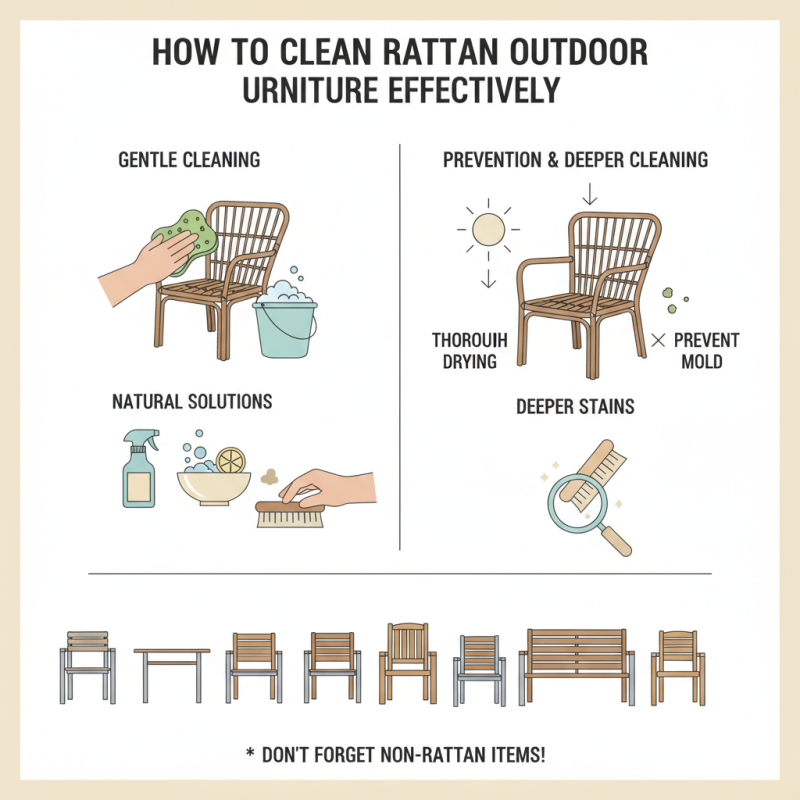
When it comes to Outdoor Living, rattan furniture is definitely a top pick — it’s stylish and pretty durable, too. But let’s be honest, over time, it can start to get a bit grimy and dirty. Knowing how to clean your rattan furniture the right way is super important if you want it to look great and last for years. A lot of folks ask me what the best methods are for keeping it in tip-top shape. The key is to use gentle techniques and the right products because harsh chemicals can actually do more harm than good.
Cleaning rattan might seem simple, but it’s not something you want to rush. You really don’t want to use strong cleaners, or you might end up damaging the material. Natural solutions are usually your best bet—stuff like a soft sponge or cloth dipped in a mild soap and water mixture usually does the trick. For stubborn stains, a soft-bristled brush can come in handy without scratching or harming the weave. And don’t forget to let your furniture dry completely after cleaning. Skipping that step or rushing the drying can lead to mold, which is just the last thing you want.
Oh, and while you’re at it, don’t forget about your non-rattan outdoor furniture. It needs some TLC too, but each type of material might require a different approach. The bottom line? The goal is to keep your outdoor space looking inviting and fresh. When everything’s clean and well-maintained, it really makes your outdoor area a cozy spot to relax. With a bit of know-how, taking care of your furniture isn’t too complicated — you’ve got this!
Choosing the Right Cleaning Supplies for Rattan Furniture
Cleaning rattan outdoor furniture requires the right supplies. Selecting appropriate cleaning agents is crucial for maintaining the furniture's longevity and appearance. Common recommendations suggest using mild soap solutions that help avoid damaging the rattan fibers. According to a study by the American Society for Testing and Materials (ASTM), standard household cleaners often contain harsh chemicals that can degrade natural materials.
When choosing tools, opt for soft brushes or microfiber cloths. These tools effectively remove dirt without scratching the surface. Studies show that abrasive materials can lead to long-term damage, prompting manufacturers to recommend gentler cleaning methods. Additionally, a report from the Furniture Industry Research Association (FIRA) emphasizes that regular gentle cleaning can extend the lifespan of rattan furniture by up to 30%.
Water usage is another important consideration. Excessive water can weaken rattan structures, leading to mold growth. A balanced approach is essential. While some recommend pressure washing, research indicates that it can cause more harm than good if not performed carefully. Reflecting on these factors, one must prioritize specific cleaning supplies that ensure both efficiency and protection for rattan furniture.
Preparing Your Rattan Furniture for Cleaning
Preparing your rattan furniture for cleaning is crucial for maintaining its beauty and durability. Start by moving your rattan pieces to a shaded area. Direct sunlight can cause damage during the cleaning process. According to industry experts, around 30% of rattan furniture fails prematurely due to improper maintenance. Before you begin, inspect the furniture for loose strands or damage. This is important; ignoring these issues can complicate the cleaning process.
Next, gather your cleaning supplies. A soft brush or vacuum with a brush attachment works well to remove dust and debris. Use mild soap mixed with warm water for the next step. Avoid harsh chemicals—they can degrade the rattan, making it brittle. Research suggests that over 40% of users do not follow this guideline, leading to faster wear and tear. Dampen a cloth with your soapy solution and gently wipe the surfaces. This approach ensures you’re not saturating the rattan, which can also lead to mold growth.
Remember that rattan is a natural material. It can expand and contract with humidity changes. A good practice is to let the furniture air dry completely after cleaning. Pay attention to corners and crevices—they can trap dirt. Many overlook this detail, which can reduce the lifespan of your furniture significantly. Regular inspections and gentle cleaning can save you headaches down the road.
Step-by-Step Cleaning Process for Rattan Outdoor Furniture
Cleaning rattan outdoor furniture requires a methodical approach. This ensures durability and a long-lasting appearance. Rattan can accumulate dirt, dust, and grime, which can increase wear. According to recent industry studies, regular maintenance can extend the life of outdoor furniture by up to 60%.
Begin the cleaning process by removing loose debris. Use a soft-bristled brush or a handheld vacuum. Pay close attention to crevices where dirt often hides. For deeper cleaning, mix warm water with a gentle soap. Avoid harsh chemicals, as they can break down the rattan fibers. Dip a cloth into the solution and wipe the surfaces gently. Rinse with clean water to remove any soap residue.
Tip: For stubborn stains, create a paste with baking soda and water. Apply it to the stain and scrub lightly. This method can be effective without damaging the material. Always dry the furniture completely to prevent mold growth. Regularly checking for signs of wear can help you address issues early on. Remember, neglected furniture may not recover from damage easily. Keeping a cleaning schedule is wise. Aim for at least twice a season to maintain your rattan's appearance.
Removing Stains and Tough Dirt from Rattan
Cleaning rattan outdoor furniture requires attention to detail, especially when tackling stains and tough dirt. Start by inspecting your furniture closely. Look for obvious stains or discoloration. Use a soft brush or cloth to remove loose dirt. This step is crucial before applying any cleaning solutions.
For tougher stains, consider a mild soap mixed with warm water. Dip your cloth in the solution, wring it out, and gently scrub the affected areas. Be cautious. Over-scrubbing may damage the rattan. For stubborn stains, a mixture of equal parts water and vinegar works wonders. Apply it carefully, then rinse with clean water to avoid residue.
After cleaning, allow your Outdoor Rattan Patio Furniture to dry completely. Sunlight can help, but avoid leaving it in harsh conditions for too long. Regular maintenance can prevent the buildup of dirt and stains, prolonging the life of your furniture. Remember, imperfections may appear over time. Embrace them as a part of your outdoor furniture’s character.
How to Clean Rattan Outdoor Furniture Effectively? - Removing Stains and Tough Dirt from Rattan
| Cleaning Method | Description | Recommended Frequency | Effectiveness |
| Mild Soap Solution | Mix mild soap with warm water. Use a soft cloth or sponge to wipe down the surfaces. | Once every 2 weeks | High |
| Vinegar and Water Solution | A mix of vinegar and water in equal parts can help eliminate odors and mildew. | Monthly | Medium |
| Baking Soda Paste | Create a paste with baking soda and water to tackle tough stains. Apply, let it sit, then scrub gently. | As needed | High |
| Pressure Washing | Carefully use a pressure washer on low setting to remove heavy dirt and grime. | Once a year | Very High |
| Commercial Cleaners | Use a product specifically designed for rattan; follow the manufacturer's instructions. | As needed | High |
Drying and Maintaining Rattan Furniture After Cleaning
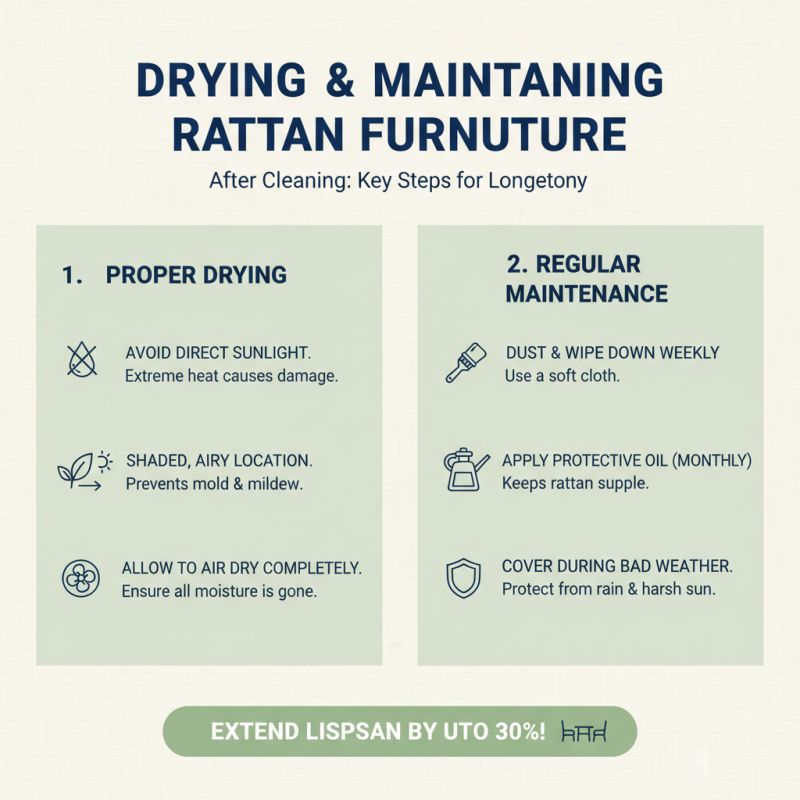
After cleaning your rattan outdoor furniture, proper drying and maintenance are crucial. Rattan is sensitive to moisture, so thorough drying can prevent mold and mildew. Avoid direct sunlight when drying, as extreme heat can damage the furniture. Instead, place it in a shaded, airy location. Studies show that regular maintenance can extend the lifespan of outdoor furniture by up to 30%.
Tips: Use a soft cloth to wipe away excess water and ensure all cracks are dry. For storage, consider covering your Outdoor Rattan Dining Furniture with breathable fabric to protect it from dust and harsh weather. This simple act can significantly enhance durability.
When it comes to maintenance, routinely inspect for signs of wear. Cracks or loose weaving may indicate the need for repairs. Ignoring these issues could lead to bigger problems. Create a schedule to check your furniture every few months. With proper care, your Outdoor Rattan dining furniture can shine in your outdoor space for years.
Protecting Rattan Furniture from Future Damage and Dirt
Protecting rattan furniture from future damage and dirt is essential for its longevity. Regular maintenance forms a crucial part of this process. Start by covering your Outdoor Rattan Lounge Furniture when not in use. A simple cover shields it from rain, UV rays, and dust. These elements can cause fading and lead to deterioration over time.
Additionally, consider applying a protective sealant. This can create a barrier against moisture and dirt while enhancing the furniture's natural beauty. However, choosing the right sealant requires careful research. Some products may not adhere well to rattan. Test it first on an inconspicuous area to avoid unexpected results.
Regularly inspect your outdoor rattan lounge furniture for signs of wear. Look for loose fibers or fading colors. Address minor issues immediately to prevent costly repairs down the line. Using a soft brush to remove accumulated dirt can keep the rattan looking fresh. Always remember that an ounce of prevention is worth a pound of cure.
Rattan Outdoor Furniture Cleaning Frequency
Seasonal Care Tips for Rattan Outdoor Furniture
Maintaining rattan outdoor furniture requires attention and care, especially with changing seasons. In spring, focus on deep cleaning. Remove dirt and debris with a soft brush. For tough stains, use a mild soap solution. Rinse thoroughly with water. Ensure you dry it completely to prevent mold growth. If not addressed, mold can ruin your furniture.
During summer, protect your Modern Rattan Outdoor Furniture from sun damage. Consider using umbrellas or covers. Regularly check for any cracks or fading. If you notice any, a protective sealant can help. Autumn brings fallen leaves, which should be cleared promptly. Leaves can trap moisture and lead to decay.
In winter, store your rattan pieces indoors if possible. If not, wrap them in breathable covers to shield from harsh weather. It’s easy to overlook this step, but protecting your furniture extends its lifespan. This seasonal care will keep your modern rattan outdoor furniture looking good year round. Regular maintenance helps prevent long-term damage, ensuring your outdoor space remains inviting and beautiful.
Transforming Outdoor Spaces: Insights from Industry Reports on the Rise of Stylish Dining with Sintered Stone Tables and Chairs
The outdoor dining scene is evolving, driven by a surge in stylish options and the growing demand for durable, aesthetically pleasing furniture. Industry reports indicate that the market for Outdoor Dining Furniture is experiencing notable growth, with a projected CAGR of over 6% in the coming years. One of the standout materials in this trend is sintered stone, prized for its strength and weather resistance. As a result, dining sets featuring sintered stone tabletops and accompanying chic chairs are becoming increasingly popular in both horeca settings and private residences.
A key advantage of sintered stone furniture lies in its ability to maintain its elegance and functionality under various environmental conditions. The material's exceptional durability means it can withstand harsh sunlight and unpredictable weather without compromising its stunning appearance. The combination of a square sintered stone tabletop with four stylish chairs creates a striking dining ensemble that is both functional and visually appealing, making it perfect for enhancing patios, balconies, or poolside settings. Comfortable seating adds to the versatility of the set, accommodating both casual family meals and more sophisticated gatherings.
As outdoor spaces are increasingly regarded as extensions of indoor living areas, the focus on tasteful design and comfort in outdoor furniture is paramount. Furniture that not only meets these aesthetic standards but is also low maintenance resonates with consumers, contributing to a shift in how spaces are utilized. With industry reports highlighting the rise of stylish dining solutions, it’s clear that investment in high-quality, durable outdoor furniture is essential for meeting the evolving preferences of today's consumers.
FAQS
: Inspect your furniture closely for stains or discoloration. Remove loose dirt with a soft brush or cloth.
Use mild soap mixed with warm water. Wring out a cloth and gently scrub the affected areas.
Yes, a mixture of equal parts water and vinegar works well. Apply carefully, then rinse with clean water.
Allow it to dry completely. Sunlight helps, but avoid harsh conditions for too long.
Cover it when not in use. This shields it from rain, UV rays, and dust, which cause fading.
Yes, applying a sealant helps guard against moisture and dirt. Just test it on a small area first.
Regular inspections are crucial. Look for loose fibers or fading colors and address issues immediately.
Use a soft brush to remove accumulated dirt regularly. This simple step helps maintain its appearance.
Over time, imperfections may appear. Accept them as part of your furniture’s unique character.
Address minor issues quickly to prevent costly repairs. Early action is key to maintaining your furniture.
Conclusion
When it comes to how to clean rattan outdoor furniture effectively, it's essential to start by choosing the right cleaning supplies that will avoid damaging the delicate material. Preparing your rattan furniture involves removing any loose dirt and debris before diving into a thorough cleaning. The step-by-step process includes using gentle cleaners and techniques to preserve the integrity of the rattan.
For tougher stains or dirt, specific methods can be employed to ensure the furniture remains in top condition. Once cleaned, drying is crucial to prevent mold and mildew, and regular maintenance steps can help enhance the longevity of your rattan. Finally, implementing protective measures and seasonal care tips will safeguard your outdoor furniture from future damage and dirt, ensuring it looks great year after year.