Keeping outdoor furniture free from those curious cats of ours can be really tricky. I mean, pet owners know the struggle all too well! Dr. Helen Wilson, who’s pretty much considered an expert when it comes to feline behavior, says that understanding what drives cats’ instincts is kinda the secret to keeping them off stuff they shouldn’t be on. Her advice is a good reminder that with some smart strategies, we can keep our outdoor spaces enjoyable—and intact.
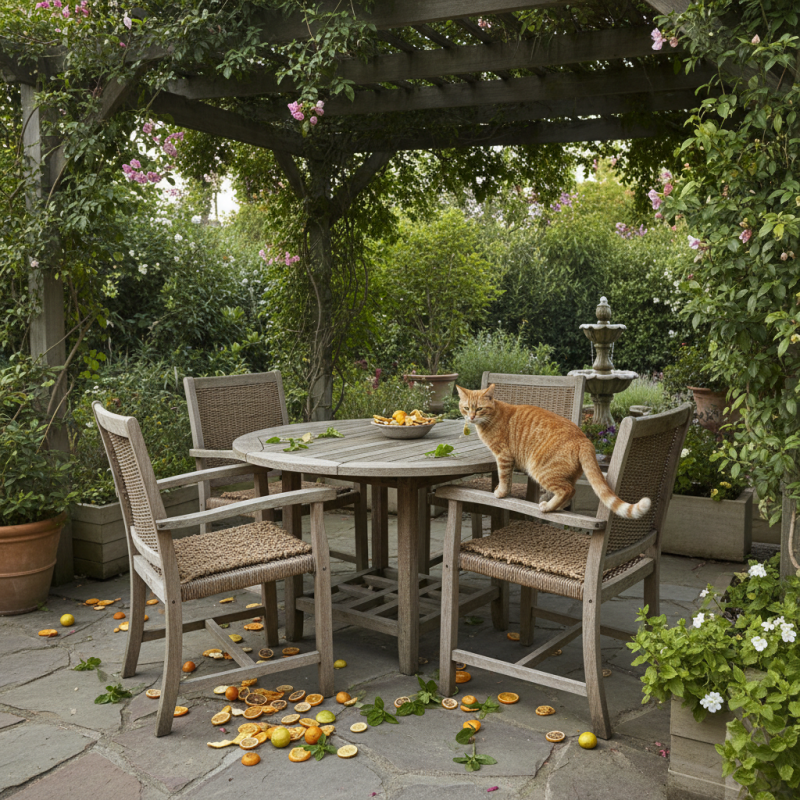
If you’re wondering how to keep your kitty away from your outdoor furniture, it’s a good idea to explore natural deterrents. Believe it or not, cats often dislike strong scents like citrus or peppermint. So, scattering some citrus peels around your Outdoor Table And Chairs, for example, might help make the area less appealing. You could also try textured mats designed to discourage cats from walking over them—that can be surprisingly effective.
Of course, no method is 100% foolproof. Cats are super curious creatures, and some might still sneak onto the furniture now and then. It’s a bit of a balancing act—patience and a bit of trial and error are usually needed until you find what works best for your furry friend. Every cat is different, after all, so don’t get discouraged if what works for your neighbor’s cat doesn’t work for yours. It’s all about finding that sweet spot that keeps everyone happy—and your outdoor space intact.
Understanding the Attraction of Outdoor Furniture to Cats
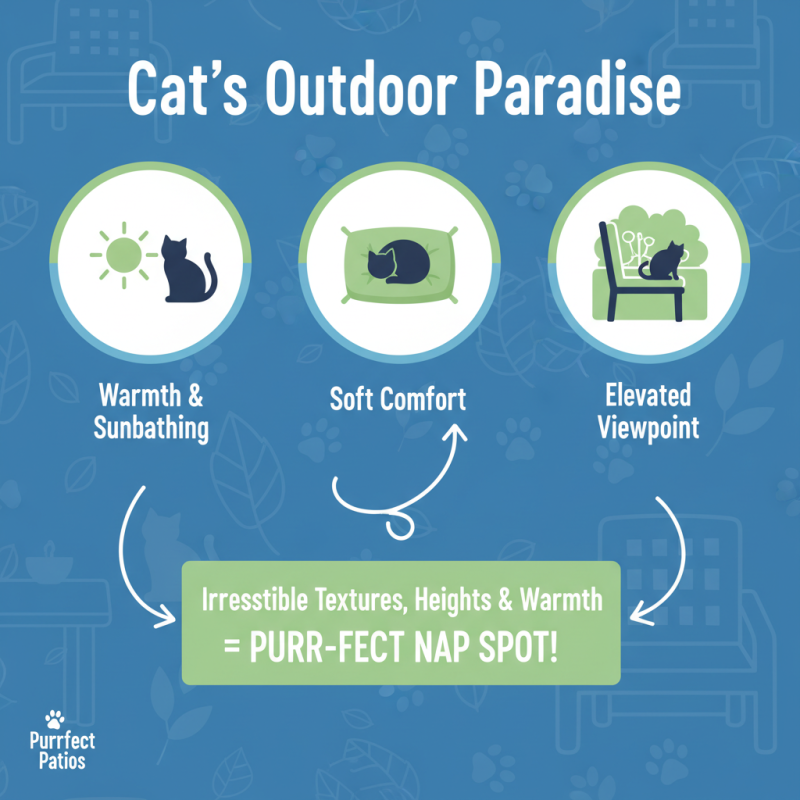
Cats are naturally drawn to outdoor furniture. The textures, heights, and warmth create an inviting playground for them. Soft cushions feel comfortable, and high surfaces provide a lookout point. Many cats love to bask in the sun on warm fabrics. This creates an appealing spot for a cat to curl up and nap.
Another attraction comes from scent. Cats have a strong sense of smell. Outdoor furniture can retain odors from the environment, making them intriguing. They often leave their scent behind on surfaces, marking their territory. This behavior reinforces their comfort levels.
Making outdoor furniture less appealing can be tricky. Some methods may not work for every cat. You might need to experiment with different approaches. Adding textures like tin foil or citrus peels can deter them. These natural deterrents can help shift their focus. Balancing the need for outdoor enjoyment with pet avoidance requires patience and observation.
Natural Deterrents: Smells and Substances Cats Dislike
Keeping cats off outdoor furniture can be a real challenge for pet owners. Cats have a keen sense of smell, and certain scents repel them effectively. Research indicates that citrus smells, such as orange and lemon, are particularly disliked by cats. A study published in the Journal of Feline Medicine and Surgery emphasizes the role of scent in feline behavior, showing that strong odors can deter cats from specific areas.
To create a natural deterrent, you might try citrus peels or essential oils infused with orange or lemon in your Outdoor Patio. Simply placing peels around furniture or mixing essential oils with water in a spray bottle can keep curious cats at bay. Another effective option is vinegar, which cats find unpleasant. However, using vinegar may require frequent reapplication, especially afterrain.
Tips to consider:
- Lavender and rosemary can be planted near your Outdoor Patio And Furniture. Cats typically avoid these aromatic herbs.
- Consider using coffee grounds. Many cats dislike the smell of coffee, making it a great deterrent if sprinkled around furniture.
Overall, natural deterrents can provide a humane way to protect your outdoor space while allowing you to coexist peacefully with your feline neighbors.
Natural Deterrents for Keeping Cats Off Outdoor Furniture
Creating Physical Barriers to Prevent Cat Access
Creating physical barriers is an effective way to keep cats off outdoor furniture. Cats are naturally curious and often explore comfortable surfaces like Outdoor Bar Patio Furniture. To deter them, you can use simple and natural methods.
Consider using plant-based deterrents. For example, citrus peels are known to repel cats. Placing these around your outdoor furniture can create an unwelcoming space for feline visitors. Additionally, a combination of pine cones or egg shells can provide a textured barrier that cats dislike. This method is not only eco-friendly but also quite effective.
Physical barriers can come in different forms. Installing trellises or netting can restrict access to your furniture. Opt for materials that blend well with your outdoor design. According to recent studies, around 30% of cat owners reported success using such barriers. However, it’s essential to monitor their effectiveness. Sometimes, cats adapt quickly.
Tips: Cover your furniture with fabric during periods of inactivity. Also, regularly rearranging furniture can disrupt cat routines. Remember, a little trial and error may be necessary to find the best solution for your space. With patience and creativity, you can maintain an enjoyable outdoor area free from curious cats.
How to Keep Cats Off Outdoor Furniture Naturally? - Creating Physical Barriers to Prevent Cat Access
| Barrier Type | Description | Effectiveness Rating (1-5) | Cost Level |
| Physical Barriers | Fences, nets or screens that prevent access to furniture. | 5 | High |
| Anti-Cat Mats | Mats with spikes or textured surfaces that deter cats. | 4 | Medium |
| Repellent Sprays | Natural sprays that cats find unpleasant. | 3 | Low |
| Plant Barriers | Using certain plants that cats avoid, like lavender or rosemary. | 4 | Low |
| Decoy Scare Devices | Motion-activated devices that make noise or spray water. | 4 | Medium |
Utilizing Motion-Activated Devices for Cat Deterrence
Motion-activated devices offer an innovative solution to keep cats off outdoor furniture. These devices detect movement and respond with sounds or bursts of air. The unexpected noise or movement can startle cats, which discourages them from returning to your Outdoor Patio Furniture Sofa. By installing these devices near your furniture, you can create an uncomfortable zone for curious felines.
While motion-activated devices are effective, they require careful placement. If positioned incorrectly, cats might learn to avoid the area only temporarily. Experimenting with various angles is essential. Some cats may initially be unfazed, requiring patience and persistent use of the deterrent.
Additionally, consider incorporating areas nearby that are more appealing for cats, such as scratching posts or cozy spots that aren't on your furniture.
These devices are not a one-size-fits-all solution. Each cat has its unique temperament and behavior. While some may be deterred quickly, others might need more time to adjust. Keeping your outdoor space inviting yet cat-free is a balance that takes trial and error. Finding the right strategy ensures that your Outdoor Patio Furniture sofa remains a comfortable spot for your enjoyment, rather than a play area for your neighborhood cats.
Designing Cat-Friendly Outdoor Spaces Away from Furniture
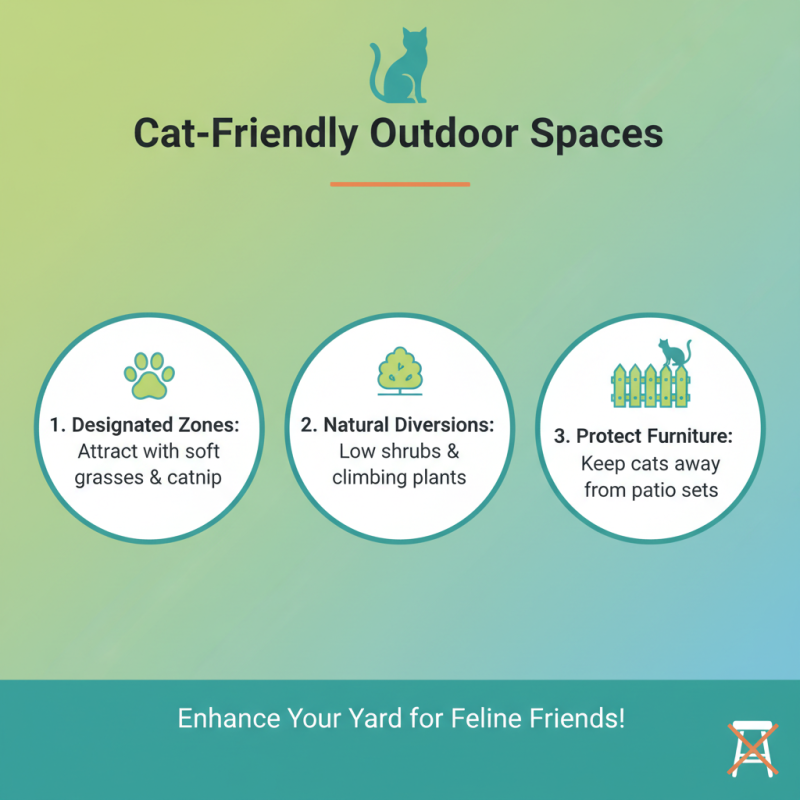
Creating a cat-friendly outdoor space can enhance both your comfort and the cats’ enjoyment of your yard. Research indicates that over 70% of pet owners consider their pets' preferences when designing their outdoor areas. To keep cats away from your Modern Outdoor Bar Furniture, consider adding designated zones that naturally attract them. Use soft grasses or catnip plants in these areas. Planting low shrubs or suitable climbing plants can also divert their attention.
Cats love to explore vertical spaces. Install shelves or provide cat trees that can be positioned away from your outdoor furniture. These structures can make a significant difference. According to a study by the American Veterinary Medical Association, vertical spaces can reduce cats’ inclination to jump on furniture. Not every cat will take to these alternatives immediately, but patience and persistence often pay off.
Additionally, using motion-activated devices that make pleasant sounds can help deter them from areas around your modern outdoor bar furniture. Observing the ways your cats engage with their environment can provide insights into those strategies that work best. Some cats may still linger near furniture; understanding their behaviors might require adjustments to your designs over time. The goal is to create harmony between your outdoor aesthetics and your feline friends’ natural instincts.
Regular Cleaning and Maintenance of Outdoor Furniture
Regular cleaning and maintenance of outdoor furniture are essential to keep cats at bay. Cats are naturally curious creatures. They may find your patio chair or garden table an enticing resting spot. To deter them, one effective strategy is to remove any food remnants or attractive scents from your outdoor space. Wipe down surfaces regularly to keep them clean.
Incorporating natural repellents can also help. Citrus peels, for example, can be placed around furniture. Cats generally dislike the smell of citrus. Additionally, consider using a mixture of water and vinegar as a spray. This method creates a scent barrier that is unappealing to cats but harmless to your furniture.
Remember to inspect your furniture periodically. Look for signs of feline interest, such as scratches or fur. If you notice any, you might need to enhance your deterrent strategies. It’s important to find the right balance between maintaining a clean outdoor area and ensuring it remains inviting. Cleaning is ongoing, and adjustments may be necessary as seasons change.
Engaging Alternative Activities to Distract Cats Outdoors
Cats love exploring outdoor spaces, but they can be a nuisance on furniture. Keeping them off your patio chairs or tables can be challenging. Engaging alternative activities can help distract them and protect your outdoor areas.
Create a stimulating environment for your cat with various toys and activities. Simple toys can intrigue them for hours. Try using cardboard boxes or crumpled paper. These items are inexpensive and can be replaced easily. Hide treats inside these areas to keep them engaged. Cats enjoy the thrill of hunting for food.
Another great idea is to designate a specific area for play. Set up a small feline-friendly space with climbing structures or scratching posts. Add some outdoor-safe plants to explore. Make sure these plants are non-toxic. These efforts can redirect their attention away from your furniture.
Tips: Limit the time your cat spends outdoors without supervision. Monitor their activities to ensure they remain safe. By observing their habits, you can better tailor distractions that suit their interests. Don't hesitate to experiment until you find the right balance. Every cat is unique, and what works for one may not work for another.
Exploring the Growth of Outdoor Furniture Market: The Rise of Contemporary Aluminum Sofa Sets in Home Design Trends
The outdoor furniture market has witnessed significant growth, fueled by contemporary design trends that emphasize aesthetic appeal and durability. One standout product in this evolving landscape is the contemporary aluminum sofa set, which is not only visually striking but also built to withstand the elements. According to industry reports, the demand for aluminum outdoor furniture is projected to increase by over 8% annually, reflecting a shift towards materials that offer both style and longevity.
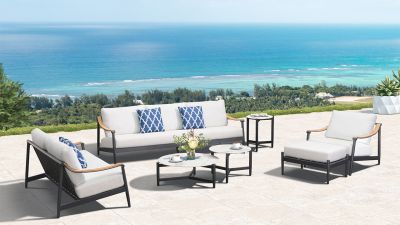
These aluminum sofa sets feature a steady and firm frame with a unique curved-cast-like extrusion that enhances stability while maintaining a sleek profile. The upholstery uses high-performance, solution-dyed polyester, combined with high-resilience foam, ensuring comfort without compromising on weather resistance. The classic color options of black and light grey seamlessly integrate into various color schemes, making them ideal for both interior and outdoor settings. Furthermore, the imitation wood armrests emulate the look and feel of real teak, providing a natural and comfortable touch that complements modern home design trends.
An ergonomic design is pivotal in the creation of these lounge chairs, with a thoughtfully inclined back that supports a relaxed posture—perfect for unwinding after a long day. As homeowners increasingly seek functional yet stylish outdoor living solutions, the rise of contemporary aluminum sofa sets reflects a broader movement towards creating harmonious living spaces that bridge the indoors and outdoors. This synergy not only enhances the visual appeal of homes but also elevates the overall quality of life, making outdoor furniture an essential component of home design.
FAQS
: Regular cleaning removes food remnants and scents that attract cats. It helps keep furniture appealing.
Citrus peels are effective as cats dislike the smell. Water and vinegar can also create a scent barrier.
Inspect periodically for scratches or fur. This helps you identify feline interest and enhance deterrents.
Engage them with toys like cardboard boxes or crumpled paper. Hiding treats adds excitement and distraction.
Designate a space with climbing structures and non-toxic plants. This can keep their interest away from your furniture.
Yes, limit unsupervised time. Monitoring helps ensure safety and allows you to adjust distractions accordingly.
Conclusion
If you're wondering how to keep cats off outdoor furniture, understanding their attraction to such spaces is crucial. Cats are drawn to the warmth and comfort that outdoor furniture often provides. To naturally deter them, you can utilize smells and substances that cats dislike, such as citrus or certain essential oils. Additionally, creating physical barriers can help prevent access, while motion-activated devices can scare them away effectively.
Designing dedicated cat-friendly areas away from your furniture can also provide them with appealing alternatives. Regular cleaning and maintenance of your furniture will remove any enticing scents or residues that may attract cats. Finally, engaging the cats in alternative activities can divert their attention from your outdoor seating, ensuring your furniture remains cat-free and inviting for human use.