Making sure our outdoor spaces stay comfortable is pretty important if we want to really enjoy being outside. But, let's be honest, pests like mice can turn a relaxing afternoon into a total nightmare real quick. When you're figuring out how to keep mice away from your outdoor furniture, starting with some solid strategies is the way to go. Outdoor Tables and Chairs can easily become a mouse’s favorite hideout—especially if they're not kept in check.
One thing that helps is creating barriers and choosing materials that mice just can’t get through. Regularly cleaning and maintaining your outdoor setup is super important too. And don’t overlook natural repellents—they can actually do wonders! That said, it’s worth noting that sometimes even the best precautions might not do the trick—mice are pretty darn resilient. That’s why taking a comprehensive approach really pays off.
Getting to know their habits a little better can help you protect your furniture more effectively. Honestly, having some knowledge and experience under your belt makes all the difference. Rely on proven methods and even seek out advice from experts when needed. This way, your outdoor space stays a peaceful retreat—minus the unwelcome visitors. Ultimately, it’s not just about keeping pests out; it’s about creating a space where you and nature can coexist comfortably and peacefully.

Understanding Mice Behavior: Why They Are Attracted to Outdoor Furniture
Mice are drawn to Outdoor Patio And Furniture for several reasons. They seek shelter and warmth, especially in colder months. A report from the National Pest Management Association highlights that homes near green spaces are more susceptible to rodent infestations, indicating the need for vigilance in outdoor areas.
Outdoor Settings often provide food sources, such as crumbs and spilled drinks. Loose cushions and unprotected corners in furniture can create cozy nesting spots that might attract these animals. The more clutter present, the more appealing these areas become. A survey found that roughly 30% of homeowners reported seeing mice near their outdoor setups last summer, underscoring the prevalent risk.
Understanding mouse behavior helps in prevention strategies. They are nocturnal, making nighttime activity crucial for identifying potential problems. If you notice signs of gnawing or droppings near your Outdoor Patio And Furniture, act swiftly. It’s essential to monitor and maintain your outdoor environment regularly. These proactive measures not only safeguard your furniture but also deter mice from making your outdoor space their home.
Top 10 Tips to Keep Mice Away from Outdoor Furniture
This chart displays the effectiveness of various methods to deter mice from outdoor furniture based on feedback from homeowners. The scores indicate the perceived effectiveness on a scale from 1 to 10.
Identifying Common Entry Points for Mice Around Outdoor Furniture
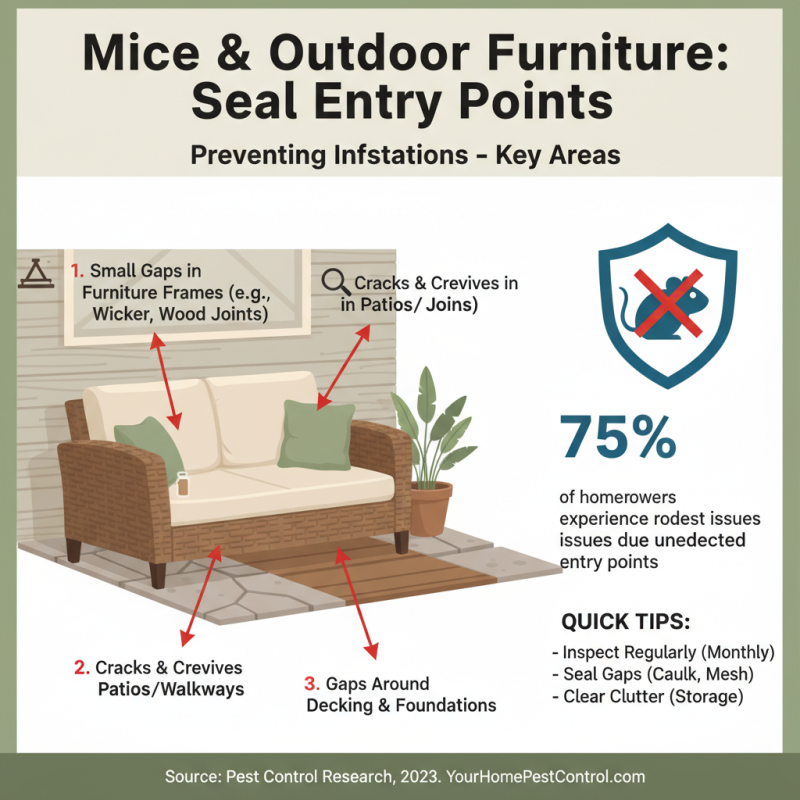
Mice can be surprisingly persistent when it comes to finding shelter. Outdoor furniture provides a welcome environment for them. Identifying common entry points around outdoor furniture is crucial in preventing infestations. Research indicates that 75% of homeowners experience rodent issues due to undetected entry points. These can include small gaps in furniture, cracks in patios, and even gaps around decking.
Pay attention to the legs of Outdoor Chairs and tables. They often have crevices that provide perfect hiding spots. Ensure that all cushions are tightly sealed and have no rips. Mice are capable of squeezing through openings as small as a quarter. Additionally, check for overgrown vegetation nearby. Studies show that landscaped areas act as excellent pathways for rodents to access your outdoor space.
Regular maintenance is key. Sweep away debris and remove any clutter under furniture. A clean area discourages nesting. Remember, keeping items off the ground reduces the potential for entry. Properly stored cushions and covers should be used when not in use. Failing to address these vulnerabilities can invite rodents to make your patio their home.
Effective Cleaning Practices to Deter Mice from Outdoor Spaces
Keeping outdoor spaces clean is crucial for deterring mice. One effective practice is to regularly clean your Outdoor Bar Patio Furniture. Scraps of food or spills can attract mice, creating an inviting environment for them. Use a mixture of vinegar and water for effective cleaning. Vinegar not only helps eliminate odors but also repels pests.
Consider placing furniture covers on your Outdoor Bar Patio Furniture when not in use. A protective cover keeps the furniture clean and helps prevent mice from nesting. Additionally, avoid storing cushions or blankets outside. Mice might see them as cozy nests. Make it a habit to check and clean the surrounding areas weekly. This proactive approach may seem tedious, but it is essential to maintain a pest-free environment.
Observe your outdoor area for any potential hiding spots. Tall grass or dense shrubs can shelter mice. Keep your lawn well-trimmed and remove debris. Unfortunately, many people overlook these details. Simple actions, like this, can significantly reduce mouse presence. The effort put into maintaining your outdoor space will pay off with a cleaner, more enjoyable setting.
Using Natural Repellents: Plants and Scents Mice Avoid
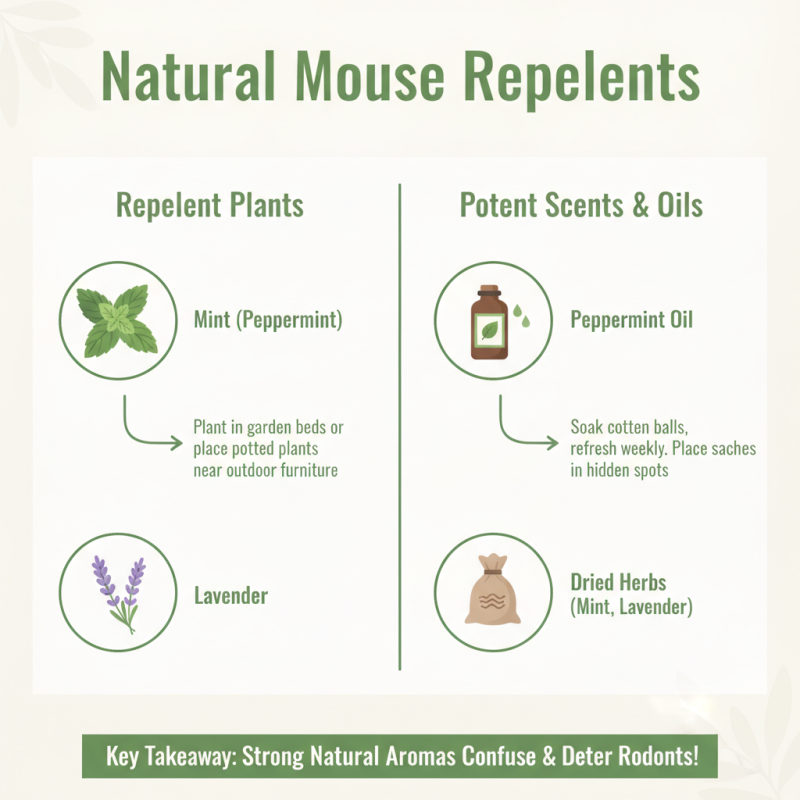
Mice often invade outdoor spaces, especially when there’s leftover food or hidden shelter. Keeping them away from outdoor furniture can require a few natural strategies. One effective approach involves utilizing specific plants and natural scents that mice tend to avoid. Research shows that certain herbs, like mint and lavender, can act as deterrents. For example, peppermint oil is a favored choice; its strong scent can confuse and repel rodents.
Consider placing potted mint near your Outdoor Patio Furniture Sofa. This not only enhances your outdoor decor but also provides a barrier against mice. Another option is planting rosemary along pathways or around seating areas, which can deter these pests. A study from the National Pest Management Association revealed that environments with strong scents, particularly from natural repellents, reported significantly fewer rodent sightings.
For extra protection, think about using cedar wood in your furniture or decor. Cedar’s aroma has been known to repel various critters, mice included. While these natural deterrents work well, they are not foolproof. Regular maintenance and cleanliness remain vital. Ensure that crumbs and spills are promptly cleaned up to minimize attractants. By combining natural scents and diligent upkeep, you can create a less inviting environment for mice around your outdoor space.
Implementing Physical Barriers: Best Materials to Block Access
When it comes to keeping mice away from outdoor furniture, implementing physical barriers is essential. Use sturdy, weather-resistant materials to block access. For instance, metal screens can effectively prevent mice from entering areas beneath chairs and tables. These barriers should fit securely; gaps can easily become entry points.
Another great option is utilizing thick plastic sheeting. This material is inexpensive and durable. It can cover the ground beneath furniture, making it harder for mice to nest. Additionally, consider placing furniture on platforms or using rubber mats. These methods create a physical distance between mice and your furniture.
Regular inspections play a crucial role as well. Look for signs of mice activity near your outdoor space. If you spot droppings or nests, act quickly. Set up traps or consult a pest control expert. Remember, even added barriers require maintenance. Gaps can form over time, so keep checking your defenses. Consistency is key to ensuring a mouse-free environment.
Regular Maintenance: The Role of Repairing and Sealing Furniture
When it comes to outdoor furniture, regular maintenance is key. Mice are drawn to clutter and sheltered spaces. A thorough inspection helps identify any cracks or gaps. Repairing and sealing these can significantly reduce potential hiding spots. Research shows that about 65% of homeowners neglect minor repairs, which can lead to bigger issues, including infestations.
Incorporating practices like regular cleaning and sealing exposed surfaces is crucial. For instance, using high-quality sealants helps protect Modern Outdoor Bar Furniture from wear and moisture. This not only prolongs the furniture's lifespan but also makes it less attractive to pests. A study noted that well-maintained furniture can reduce the likelihood of mouse activity by nearly 70%.
It’s also essential to assess the environment surrounding your items. Proper placement and storage can make a difference. Storing furniture indoors during off-seasons creates a less enticing environment for rodents. Even a small oversight, like a few crumbs left on surfaces, can attract mice. By paying attention to these details, you enhance your outdoor space’s safety and comfort.
Educating Yourself: The Importance of Knowing Local Rodent Populations
Understanding local rodent populations is crucial for effectively managing the presence of mice around your outdoor furniture. Different areas have varying species and behaviors. For instance, some regions may have persistent field mice, while others might be home to roof rats. By learning about these populations, you can tailor your strategies to deter them effectively.
Education about local rodents is an ongoing process. It requires regular observation and research. For instance, consider the signs of rodent activity like gnaw marks or droppings near your furniture. Identifying these cues can help you act before an infestation begins. Even in clean environments, mice can thrive if they find easy access to food or shelter.
Utilizing this knowledge can guide your decisions about landscaping and storage. Some plants may attract rodents, while others act as natural repellents. A well-informed approach may require trial and error. Small changes can lead to significant results over time. Understanding local rodent behavior enhances your ability to maintain a safe and inviting outdoor space.
Creating the Perfect Outdoor Dining Space with Stylish Chairs and a Sintered Stone Table
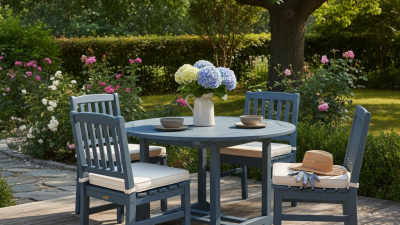
Creating the perfect outdoor dining space involves a careful selection of furniture that combines style, comfort, and durability. A beautiful ensemble featuring four chic chairs paired with a square sintered stone tabletop dining table can transform your patio or balcony into an inviting dining area. The sintered stone material is not only aesthetically pleasing but also designed for superior strength and weather resistance, making it an ideal choice for outdoor conditions. This ensures your dining set remains vibrant and functional regardless of the season.
The elegance of the sintered stone table complements the contemporary design of the chairs, creating a sophisticated yet casual atmosphere, perfect for both family meals and more refined gatherings. Comfort is paramount, and the chairs provide exceptional support, allowing guests to relax and enjoy their meals leisurely. Low maintenance requirements further enhance the appeal of this outdoor dining set, making it a practical option for busy homes or commercial settings, such as hotels and restaurants, looking to elevate their outdoor dining experience. Transform your outdoor space into a stylish retreat where unforgettable meals are shared under the open sky.
FAQS
: Mice seek shelter and warmth in outdoor spaces, especially in cold months. Food sources like crumbs also attract them.
Regular cleaning is crucial. Remove food scraps and spills promptly to deter mice from your furniture.
Certain herbs, like mint and lavender, can repel mice. Peppermint oil also helps by confusing their sense of smell.
While natural repellents work well, they aren’t foolproof. Consistent maintenance is necessary for best results.
Metal screens and thick plastic sheeting can effectively block mice. Ensure barriers fit securely to prevent gaps.
Look for signs like gnawing, droppings, or nests around your outdoor area. Acting quickly is essential if you notice them.
Yes, placing furniture on platforms or rubber mats creates distance and helps prevent mice from nesting near it.
Regular inspections are vital. Keep an eye out for signs of mouse activity and maintain barriers diligently.
If you spot nests, act immediately. Set traps or contact a pest control expert to address the issue effectively.
It’s better to combine natural methods with physical barriers and consistent maintenance for a comprehensive prevention strategy.
Conclusion
To effectively address how to keep mice away from outdoor furniture, it is essential to understand their behavior and attraction to such spaces. Mice are drawn to outdoor furniture mainly due to the shelter it provides and the potential for food sources nearby. Identifying common entry points, such as gaps and holes around furniture, is crucial for prevention.
Employing effective cleaning practices, such as regularly removing debris and food spills, can significantly deter mice. Utilizing natural repellents, like specific plants and scents that mice avoid, is a sound strategy. Additionally, implementing physical barriers using suitable materials can block their access. Regular maintenance, including repairing and sealing any vulnerabilities in furniture, plays a vital role in ensuring outdoor spaces remain uninviting for rodents. Lastly, educating oneself about local rodent populations helps tailor strategies to be more effective in preventing mice infestations.