
Leave Your Message

Blog

How to Clean Outdoor Wood Furniture 7 Easy Tips

How to Clean Outdoor Wood Furniture 7 Easy Tips

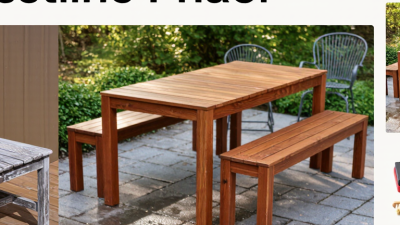
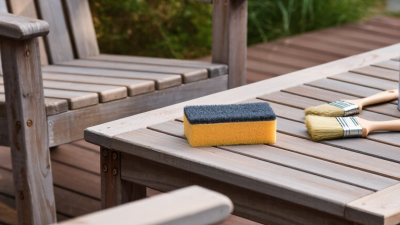
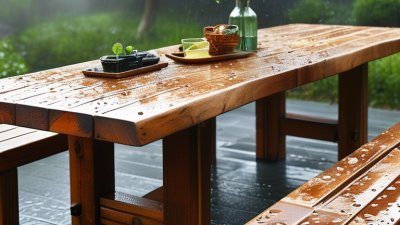
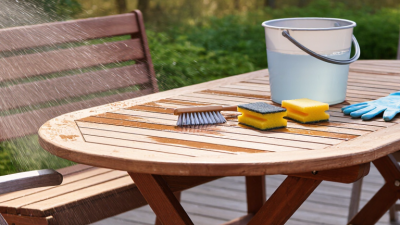
You know, wood outdoor patio furniture can really make a porch feel welcoming. But let's be honest—after a while, rain, dust, pollen, and the occasional spilled drink start to leave their mark. And cleaning it well isn't just about keeping it looking nice. If dirt sits there too long, it can trap moisture against the wood, and if you scrub too aggressively, you might end up damaging the finish. The right approach really depends on a few things: the type of wood, what kind of coating it has, and how much weather it actually gets. So the USDA Forest Products Lab’s Wood Handbook—Wood as an Engineering Material (that’s FPL-GTR-282, 2021)—digs into how wood reacts to moisture and all the ways its environment keeps changing. And honestly, that really matters outdoors. A damp tabletop, chair legs stuck in the shade, a bench getting baked by the sun—they all might need different attention. There’s no one-size-fits-all schedule for every situation. And some old fading? Yeah, it can hang around no matter what. So, this guide covers seven practical ways to clean wooden outdoor furniture—things like checking the finish, washing with mild soap, and making sure you dry it thoroughly. The big thing? Start gentle. Grab a soft brush, use clean water, and always test on a hidden spot first. That alone can save you from a lot of avoidable damage. If your furniture is coated, follow what the manufacturer says—that’s the rule. But if it’s unfinished wood, be careful with water; too much of it can really mess things up. These steps aren’t complicated, but they’re not magic either. Let's be real—some stains just won't budge after one try, and no matter what you do, old weathered wood still kinda shows its age.
Read more »
Ethan By:Ethan - November 3, 2026
China Top 10 Ways to Fix Weathered Outdoor Furniture?

China Top 10 Ways to Fix Weathered Outdoor Furniture?

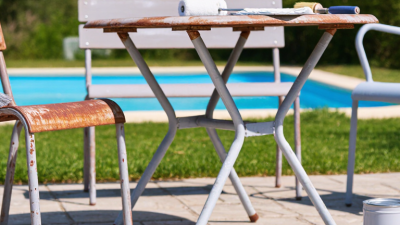
Let’s be honest—weathered patio furniture doesn’t usually just give up all at once. You might notice a gray tabletop here, peeling finish there, and rough chair arms that feel awful. Those are actually different issues, not one big problem. That’s why this guide walks through the China Top 10 ways to fix weathered outdoor furniture. And spoiler: it starts with really looking things over, not just slapping on a fresh coat of paint. You know, the USDA Forest Products Lab’s Wood Handbook (the 2021 edition, FPL-GTR-282) gets into how moisture and sunlight mess with wood. That’s a bigger deal outdoors than people realize—once wood keeps getting wet and then drying out, the finish starts to loosen, and before long you’ve got bare spots. Grand View Research did a report showing outdoor furniture is a pretty big market, but just because the category is growing doesn’t mean every piece is worth saving. So before you buy any supplies, take a good look at the frame, joints, fasteners, and the material itself. You know, a wobbly chair isn't going to be saved by a fresh coat of stain. It needs a bit more attention than that—like actually fixing what's making it wobble. So, there's this coatings researcher, Mark Knaebe, who put out some guidance on protecting exterior wood. Honestly, his advice boils down to: "A lasting finish starts with a clean, dry, well-prepared surface." And that's exactly the step people skip when they're in a hurry to fix something up. With wood, you probably need to clean it gently, let it dry fully, give it a light sand, and use a sealant that actually works with it. But metal, wicker, plastic? They each have their own thing going on. So, this article walks you through ten realistic repair options—and also points out when replacing something is actually safer than trying to fix it again. It then looks at how to keep an outdoor table and chairs set in good shape through all kinds of seasons. Sure, the keyword is “how to fix weathered outdoor furniture,” but the real answer? That depends on the material, the damage, and the climate you're dealing with. Before you start, double-check each step against the product label—it’s easy to miss something. And don’t underestimate small repairs; they can really make a difference. But if you skip the prep work, all that effort can go to waste.
Read more »
Ethan By:Ethan - October 30, 2026
Top Tips How to Paint Rusted Outdoor Metal Furniture

Top Tips How to Paint Rusted Outdoor Metal Furniture

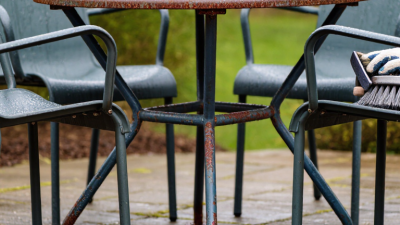
Rusted patio furniture can look pretty far gone, right? But honestly, a lot of those frames just need a good cleaning, some solid prep work, and the right exterior paint. This guide walks you through how to paint rusted outdoor metal furniture, with practical steps that work whether you're a total beginner or a seasoned DIY homeowner. You can use the same approach for iron chairs, steel benches, balcony tables, and those weathered sets that have been sitting out near the garden or pool. Bob Vila—the guy behind BobVila.com—has said it plenty of times: “The secret to a good paint job is preparation.” And honestly, that advice really holds up here. You’ve got to remove any loose rust with a wire brush or an abrasive pad. If the rust is stable, though, treat it with a compatible rust converter. Then wash off grease, dust, and any peeling residue, and let every surface dry completely. Yeah, the little details matter. When you're sanding, definitely put on safety glasses, gloves, and a decent mask—don't skip that part. Try to work outside if you can, but avoid really windy or damp days. A rust-inhibiting metal primer is a good idea; it helps with adhesion and cuts down on future corrosion. Put it on in thin, even coats instead of flooding the corners, bolts, or drainage holes—trust me, patience pays off here. The finish might not turn out perfectly smooth—and honestly, that's normal. Old metal often holds onto dents, pits, and tiny scars. In a way, those marks tell its history. Me? I'd rather end up with a durable finish than try to hide every imperfection. This guide also covers common searches like Outdoor Table And Chairs Outdoor, while staying focused on safe, realistic restoration choices. By the time you're done reading, you should have a pretty clear idea of which tools, primers, paints, and drying times actually help you get a stronger result. And honestly? Good prep just takes time — rushing it almost always shows.
Read more »
Liam By:Liam - October 25, 2026
Top Tips on How to Distress Outdoor Wood Furniture?

Top Tips on How to Distress Outdoor Wood Furniture?

Outdoor furniture can look beautifully weathered without becoming weak, unsafe, or carelessly damaged. This guide explains how to distress outdoor wood furniture while protecting its structure, comfort, and service life. The goal is controlled character, not random decay. Market research supports the growing interest in outdoor living upgrades. Grand View Research’s Outdoor Furniture Market Size, Share & Trends Analysis Report identifies continued demand for durable patio products and weather-resistant finishes. The USDA Forest Products Laboratory’s Wood Handbook explains that moisture control remains central to wood performance. Persistent dampness can encourage swelling, splitting, and fungal decay. That matters when updating Wood Outdoor Patio Furniture exposed to rain, sunlight, and temperature changes. Wood-finishing authority Bob Flexner offers a useful warning: “The finish is only as good as the preparation.” His advice fits this project closely. Start by checking loose joints, soft areas, rusted fasteners, and peeling coatings. A distressed surface should reveal age, not hide serious damage. Unknown old paint also deserves caution before sanding. Test it properly, especially when working on inherited or second-hand furniture. Sometimes the finish will look uneven. That is part of the appeal, though uneven protection is not. Use gradual abrasion, thin stain layers, and exterior-rated sealers. Test every color on an unseen section first. Small changes can become surprisingly dark after sealing. This guide also examines practical tools, surface techniques, weather considerations, and common mistakes. It is not a perfect formula. Wood responds differently, and thoughtful adjustment remains essential.
Read more »
Sophia By:Sophia - October 20, 2026
How to Keep Outdoor Furniture Covers From Blowing Off in 2026

How to Keep Outdoor Furniture Covers From Blowing Off in 2026

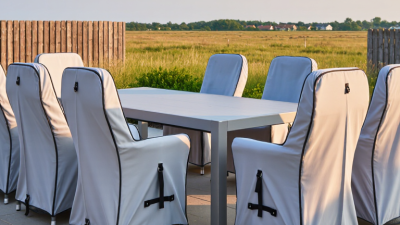
So, in 2026, a loose patio cover is more than just an annoying thing to find in the morning. It can scrape painted frames, trap moisture, and end up against a neighbor’s fence. I found that out the hard way after a sudden coastal gust lifted a cover off a six-seat set. The fabric looked secure at dusk. By morning, one corner had ripped. That little disaster is basically why this practical guide exists—how to keep outdoor furniture covers from blowing off. I’m not trying to make every cover completely windproof. No strap can beat truly unsafe weather. Instead, reliable protection comes from matching the cover, the furniture, and the fastening method. This guide compares elastic hems, buckle straps, weighted clips, drawstrings, and vented designs. It also gets into where each one tends to fall short. Even a snug cover can balloon once air sneaks underneath. And a heavy weight can stain cushions or put too much stress on a table edge. If you’ve got an Outdoor Table And Chairs Outdoor setup, measure the whole footprint—chair arms, gaps between pieces, all of it. Stick to the cover maker’s care instructions, and check the seams after a strong blow. Forecasts are useful, sure, but they don’t replace good judgment. During severe storms, take covers off when you safely can. Small stuff matters. I’ll also touch on placement, drainage, and breathable materials, pulling from manufacturer guidance and what I’ve seen firsthand. Some of this may need tweaking for balconies, exposed decks, or uneven paving. I’ll admit that. Outdoor furniture varies a lot, and one universal fix can just create a new problem. Still, with a careful fit and regular checks, you can cut down on flapping, protect your cushions, and keep from buying new covers every single season.
Read more »
Ethan By:Ethan - October 14, 2026
How to Clean Outdoor Patio Furniture Fabrics?

How to Clean Outdoor Patio Furniture Fabrics?

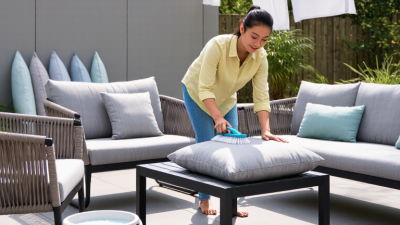
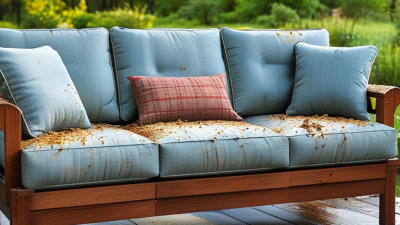
Outdoor patio furniture fabrics take a beating—sun, rain, pollen, food spills, dusty wind, all of it. If you learn how to clean them properly, you'll help keep their color, texture, and comfy feel around longer. Plus, it stops little stains from turning into permanent eyesores. Mary Gagliardi, a cleaning scientist and expert with Clorox, puts it simply: “The longer a stain sits, the harder it is to remove.” Yep, that warning is worth paying attention to. Start by taking off the cushions and brushing away loose debris with a soft-bristled brush. Before you use water or detergent, check the care label. And do a hidden corner test—trust me, it can save you from an ugly surprise. Mix mild soap with lukewarm water, then work gently from the outside of the stain inward. Don’t scrub too hard. That can just spread dirt and rough up the fibers. Rinse well, because leftover soap might attract more dust. Let each cushion dry completely somewhere shaded and ventilated. Little things matter. A damp cushion left right on a chair can get that musty smell. A strong bleach mix can fade printed fabric. And hey, not every stain disappears after one try. That's normal—and it deserves honest attention. Repeat a gentle cleaning cycle instead of forcing the fabric. For stubborn mildew, delicate materials, or labels you can't figure out, professional textile cleaning might be safer. This guide also looks at the broader care of Outdoor Patio And Furniture. Regular brushing, quick spill cleanup, and proper storage can mean less deep cleaning later. The goal isn't perfect-looking fabric every single day. It's durable, clean, usable furniture that gets you through changing seasons.
Read more »
Sophia By:Sophia - October 10, 2026
How to Fix Plastic Wicker Outdoor Furniture Easily?

How to Fix Plastic Wicker Outdoor Furniture Easily?

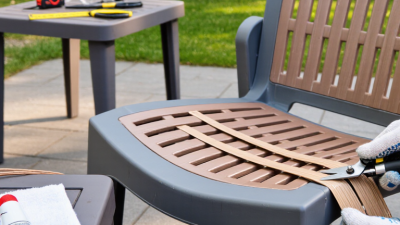
Plastic wicker furniture has a way of making a patio feel comfy and relaxed, right? But once those strands start breaking, it kind of shows where the weak spots are. Sun, rain, lots of use, and quick temperature swings can all loosen the weave or crack the frame. So learning how to fix plastic wicker outdoor furniture is a pretty practical skill — it helps you get more life out of what you already have instead of replacing a whole seating set. This guide walks through real-world repairs for chairs, sofas, tables, and other Wicker Style Outdoor Furniture. You'll see how to check the frame, clean up damaged spots, trim loose strands, and secure replacement wicker with the right adhesive or fasteners. Take your time with it. The small details really do matter. A matching strand usually gives you a cleaner result than going wild with glue. That said, not every repair is going to vanish completely — and honestly, that's just how it is. First, figure out whether the damage is only in the plastic weave or if the metal frame is involved too. A loose frame might need a different approach and stronger support. If the manufacturer's care instructions are available, follow them. Wear gloves, use eye protection, and stick to tools made for light repair work. Keep adhesives in a ventilated spot, away from kids and open flames. The process won't always be perfect. Early repairs might look a little uneven. That's normal. Patience makes the finish better. Take photos before you remove damaged pieces, and measure an intact strand before buying replacement material. With careful prep, controlled heat, and weather-resistant supplies, plenty of outdoor furniture repairs can hold up through another season. The goal isn't just looks. It's safe, durable, and sensible restoration.
Read more »
Sophia By:Sophia - October 7, 2026
China Best Outdoor Furniture How to Weatherproof It?

China Best Outdoor Furniture How to Weatherproof It?

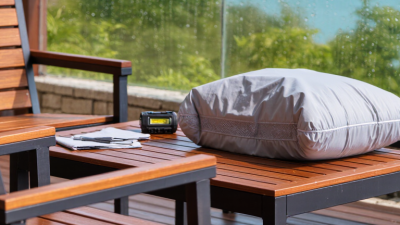
Picking out the best outdoor furniture in China isn’t just about comparing prices or flipping through shiny catalog images. You’ve got to think about the weather, the materials, how it’s built, and what kind of support you’ll get after buying. For instance, a teak chair might laugh off summer rain, but a powder-coated steel piece could start rusting around an unsealed bolt. Even top-quality stuff needs a little TLC to keep it looking good. I've put together this guide to help you figure out how to make outdoor furniture truly weatherproof—practical tips you can follow again and again. It covers everything from fabric protection and drainage to coatings, covers, storage, and regular check-ins. Basically, a good outdoor setup should stand up to moisture, sun exposure, temperature swings, and everyday spills. But let’s be honest—no outdoor furniture is 100% maintenance-free. That’s a detail folks often overlook. Typically, seasoned furniture pros will double-check the frame joints, welds, screws, surface finishes, and how quickly cushions dry after rain. They also consider your local climate before they recommend a material—like, furniture near a humid coast needs more rust protection than what you’d use on a covered balcony. Always ask manufacturers for the material details, care tips, sample testing results, and clear warranty info. Good suppliers will be upfront about any limits—they shouldn’t be vague or make promises that sound too good to be true. And honestly, small habits go a long way. Wipe away puddles from your tabletop, lift cushions after heavy rain, and check those hidden joints every few months. Using a breathable cover is smart, but try to avoid sealing damp furniture underneath—it can invite mildew. I've seen some beautiful sets fall apart just because owners ignored the underside. It’s a common mistake, and honestly, it’s pretty easy to fall into that trap. So keep in mind—good weatherproofing isn’t just a one-time thing. It’s really about establishing a routine that fits your furniture and environment. A little regular attention makes all the difference.
Read more »
Sophia By:Sophia - October 2, 2026
How to Make Cushions for Outdoor Furniture?

How to Make Cushions for Outdoor Furniture?

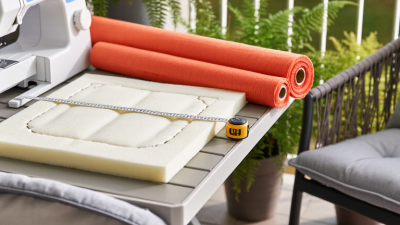
Creating comfy patio seating is way easier when you get how outdoor materials actually behave. In this guide, I’ll walk you through making cushions for your outdoor furniture, including clear measurements, durable fabrics, and weather-smart construction tips. Whether you’ve got a small balcony, a shady porch, or a whole garden setup, these tips will help. I've been there—made cushions that looked great but ended up soaking up rain because I didn’t seal the seams properly. That was a real eye-opener: it’s not just about how nice they look, but how well they stand up to the weather. So, in this guide, we’ll measure each seat carefully, pick quick-drying foam, and weigh the pros and cons of solution-dyed acrylic, polyester, and canvas. We’ll also talk about zippers, piping, ventilation, and removable covers—because cleaning is a breeze when you’ve got those features. Little details really do matter. Your cushions should fit snugly on the frame without squeezing the fabric into sharp corners. A slight tilt can actually help water run off instead of puddling underneath. And don’t forget—direct sun can fade normal fabric pretty fast, while damp foam might get funky smells if you’re not careful. These are things worth paying attention to, even if your furniture is under a roof. If you’re searching for ideas using phrases like Outdoor Table And Chairs Outdoor, keep in mind: lots of styles exist, but your cushion method still needs some tweaking. A dining chair isn’t the same as a deep lounge—support needs to be thinner for one, plush for the other. It’s always smart to test a paper template first before splurging on expensive fabric. Even pros can guess wrong with foam compression or seam allowances. This guide points out those common pitfalls and offers practical advice suited for both beginners and seasoned DIYers. Expect clear instructions, honest material tips, and a few friendly reminders to think about your local climate before you dive in.
Read more »
Liam By:Liam - September 27, 2026
Why Does Outdoor Metal Furniture Rust and How to Fix It?

Why Does Outdoor Metal Furniture Rust and How to Fix It?

Rust doesn’t just show up out of nowhere, you know? Usually, it’s because rainwater collects around bolts, welds, or scratched paint. If you’re by the coast, the salty air definitely doesn’t help either. Sometimes, damp leaves can hide out under your outdoor table and chairs for weeks without you even realizing it. Dan DiClerico, who’s an expert in home improvement and outdoor living at HomeAdvisor, likes to say, “Regular maintenance is really your best bet to avoid costly repairs.” That’s pretty straightforward advice, but honestly, a lot of folks don’t realize how important it is until they see that tiny orange spot spreading beneath a powder-coated surface. Once that bubbling starts, just wiping it down isn’t going to cut it anymore. So, in this guide, I’ll walk you through how to fix up your outdoor metal furniture with practical, step-by-step tips. We’ll cover how to spot corrosion, get rid of loose rust, treat what's left, and repaint everything so it stands up to the elements. Using a stiff nylon or wire brush works well to clear flaky rust, and sanding helps smooth out rough patches. For really deep stains, a rust converter can stabilize the metal, but keep in mind—it’s not a magic fix if parts are missing steel. Make sure to grab an outdoor metal primer and a compatible enamel paint, and don’t forget to follow the instructions on the label carefully. Patience is key—giving everything enough drying time makes a difference. And don’t forget, you gotta check those hidden spots, too. The chair feet, drain holes, the seams underneath, and fasteners often stay wet longer and can be neglected easily. When working on your furniture, wear gloves and eye protection—especially when brushing or sanding. Nothing lasts forever, though. Bad weather, poor drainage, or rushing the job can undo all your hard work pretty quickly. That part’s a little annoying, I know. But with regular cleaning, quick touch-up painting, and seasonal inspections, you can really extend the life of your outdoor furniture. Even if your maintenance isn’t perfect, it’s still way better than ignoring that rust completely.
Read more »
Liam By:Liam - September 22, 2026
How to Measure Outdoor Furniture for Covers?

How to Measure Outdoor Furniture for Covers?

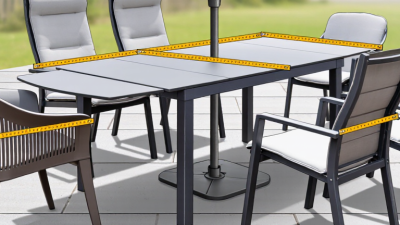
Picking the right cover really starts with getting your measurements right—no guesswork involved. If you're figuring out how to measure outdoor furniture for covers, it's best to start with the furniture in its normal spot. Don't just measure an empty patio or try to do it from a blank slate. Mark Feldman, who’s a product specialist over at Coverstore, has some good advice—he says, ‘A good cover should protect your furniture without trapping a ton of extra space around it.’ This is super important whether you’re dealing with a simple outdoor table and chairs set or something more elaborate. So, when measuring, stretch the tape from the widest part of a chair to the opposite side. Then, go from the front to the back of the furniture. Make sure to note the highest point — that might be a chair back, the rim of the table, or maybe an umbrella. Keep your tape level—if it slopes, you could end up measuring several inches too long without realizing it. And don’t forget to really look at the furniture’s shape. Things like armrests, curved backs, extensions, or attached cushions can add to the size you need. Measure those parts separately if they make the furniture bulkier. Keep in mind, it’s best to leave just a little extra room—enough for airflow and to make removal easier. Too much space? The wind might catch it and lift the cover. Too tight? It could stress the seams and corners. Finding that sweet spot is pretty easy to overlook, so take your time. Always measure twice—trust me, it’s worth it. A quick sketch can save you a lot of headaches too. Jot down each measurement right next to the section of furniture it belongs to. If your furniture sits flush against a wall, make a note of that before picking out a cover. The thing is, patios aren’t perfectly flat—I've made the mistake myself, forgetting to double-check things like chair handles that stick out. Small errors like that can make a difference. Once you have your measurements, compare them with the sizing chart provided by the manufacturer. Also, check out the details about waterproofing, ventilation, and fastening points before you hit ‘order.’ Thinking ahead saves a lot of hassle later on.
Read more »
Ethan By:Ethan - September 18, 2026
China Top 10 How to Clean Polywood Outdoor Furniture?

China Top 10 How to Clean Polywood Outdoor Furniture?

Outdoor furniture takes quite a beating from rain, dust, pollen, food spills, and everyday handling. Learning how to clean your polywood outdoor furniture really helps keep its color vibrant, its texture nice, and its overall strength intact. Sure, POLYWOOD is built to brave the elements, but it still benefits from some TLC now and then. Dirt tends to settle around the slats, fasteners, and edges of tables. And small stains might become tougher to get rid of after lots of sun and repeated exposure to moisture. This guide walks you through a simple, straightforward cleaning routine for your POLYWOOD chairs, benches, and tables. It covers how to prep the surface, pick gentle cleaning solutions, scrub safely, and rinse thoroughly. Usually, a soft brush, some clean water, and a mild dish soap are enough to keep things looking good. Just steer clear of abrasive pads or harsh chemicals—they might dull the finish or leave uneven marks. If you're trying out a new cleaner, it’s a good idea to test it on a hidden spot first, just to be safe. The same approach works well if you're searching for tips on outdoor tables and chairs—especially stuff that stays on your patio, balcony, or poolside. And don’t forget to clean underneath! Mud and leaves tend to hide down there, and sometimes stains don’t come out right away. It’s totally normal—you might need to go over some spots a few times with gentle scrubbing rather than using strong chemicals. Once you’re done cleaning, give the furniture plenty of time to dry before throwing on cushions or covers. Taking this simple approach makes maintenance easier, safer, and more consistent. Plus, it’s a good chance to spot any loose hardware, broken parts, or drainage issues early on, before they turn into bigger problems.
Read more »
Ethan By:Ethan - September 14, 2026
What Is the Best Way to Keep Bugs Out of Outdoor Furniture?

What Is the Best Way to Keep Bugs Out of Outdoor Furniture?

Hey, keeping bugs away from your patio isn’t just about dodging annoyances—it's also about protecting your cushions, finishes, and just making outdoor dining less stressful. According to the 2024 Bug Barometer from the National Pest Management Association, warm and damp weather means more pests showing up in lots of places. That’s something to think about when you're figuring out how to keep bugs at bay on your porch or backyard setup. Even a tidy patio can still attract ants, flies, mosquitoes, and spiders—usually because of moisture lurking around somewhere. It’s kind of sneaky, but moisture often is the real culprit. Most pros will tell you that the best first step is to clean up food crumbs, get rid of standing water, and clear out thick plant stuff. These small tweaks actually help cut down on cozy hiding spots for bugs around your outdoor table and chairs. The EPA backs this up, supporting what’s called integrated pest management—basically focusing on cleanliness, sealing entry points, keeping an eye out, and only using targeted treatments when needed. Spraying everything indiscriminately isn’t the way to go; it can unnecessarily expose you and might even damage your furniture’s fabrics or coatings. Start by checking things like chair joints, cushion seams, umbrella stands, and the under-the-table areas—especially after sunset when bugs start coming out. Use washable covers on your furniture, but be sure they’re completely dry before covering up again—otherwise, trapped moisture can lead to mildew and invite more bugs. The American Cleaning Institute also recommends reading product labels carefully and matching cleaners to your furniture’s materials—something that’s often overlooked but makes a difference. Look, nothing’s perfect—you might miss that one drink spill or forget to do a quick sweep, and that can undo your efforts. Still, sticking to a routine of cleaning, keeping airflow moving, storing food properly, and installing screened lights usually beats just spraying a bunch of chemicals. This guide breaks down what really works, what’s less effective, and where maybe you need to be a bit more honest with yourself about your outdoor furniture care.
Read more »
Sophia By:Sophia - September 9, 2026